Scott 3200A Tailwheel – Fully Rebuilt: Professional Replacement for Compatible Aircraft
Scott 3200A Tailwheel – Fully Rebuilt: Professional Replacement for Compatible Aircraft
Blog Article
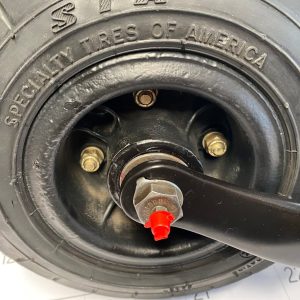
The Scott 3200A Tailwheel – Fully Rebuilt gives operators an alternative to an unknown used assembly when the rebuild process, component condition, and package contents are documented clearly. Buyers should request an itemized rebuild summary instead of assuming that every component within the assembly is new.
The Scott 3200A Tailwheel Assembly should be matched with the aircraft tail spring, mounting arrangement, steering linkage, operational weight, and approved configuration. A Scott Tailwheel Assembly can develop wear through repeated taxi cycles, landings, vibration, dirt exposure, moisture, poor lubrication, incorrect alignment, or unsuitable adjustment.
An Aircraft Tailwheel Assembly experiences vertical loads, side forces, vibration, steering input, and occasional impact during routine service. A General Aviation Tailwheel may be used on training aircraft, classic taildraggers, bush airplanes, utility platforms, experimental aircraft, and restored vintage designs.
Whether the requirement is an Aircraft Tailwheel, Taildragger Tailwheel, Aviation Tailwheel System, or Tailwheel Steering Assembly, exact compatibility should guide the purchase.
Understanding the Scott 3200A Tailwheel
The assembly can respond to normal steering input while allowing broader movement when its internal mechanism releases appropriately. Maintenance personnel should inspect the complete tailwheel arrangement before concluding that one component is responsible for steering difficulty or shimmy.
Choosing a Scott 3200A Tailwheel Assembly
Actual operation depends on the complete aircraft installation rather than the tailwheel assembly alone. The exact work completed should be listed clearly because rebuilt assemblies may differ in scope and component replacement.
Scott Tailwheel Assembly Service Quality
Final adjustment and functional testing should confirm that the Scott Tailwheel Assembly operates consistently. Cosmetic refinishing should remain secondary to mechanical condition and structural integrity.
How an Aircraft Tailwheel Assembly Works
The assembly should move freely enough read more for intended operation while avoiding uncontrolled swivel or excessive looseness. The entire installation should be reviewed whenever a rebuilt tailwheel is fitted.
General Aviation Tailwheel Applications
Grass, gravel, and dirt can introduce moisture, abrasive particles, vegetation, and debris into moving areas. Professional verification helps prevent unsuitable installation and unnecessary project expense.
Maintaining an Aircraft Tailwheel
The assembly remains part of a complete ground-handling system that also includes rudder control, brakes, main gear, and pilot technique. The wheel should rotate smoothly without excessive side play, roughness, binding, or abnormal drag.
Benefits of a Taildragger Tailwheel
Taildragger pilots coordinate rudder, brakes, power, and tailwheel input to maintain ground stability. Responsible operation can extend Taildragger Tailwheel service life.
Benefits of an Aviation Tailwheel System
A worn tail spring or loose mounting bolt may cause poor tracking even when the rebuilt tailwheel remains mechanically serviceable. Springs should remain free from distortion, corrosion, cracking, broken coils, or unsuitable substitution.
Tailwheel Steering Assembly Performance
The mechanism should respond smoothly without sticking, harsh engagement, excessive delay, uncontrolled release, or irregular centering. Steering arms should be inspected for bending, cracking, corrosion, elongated holes, and wear at attachment points.
Aircraft Ground Handling Tailwheel
Reliable ground handling begins with a serviceable assembly and a correctly adjusted installation. Responsible ground movement protects the Aircraft Ground Handling Tailwheel and surrounding structure.
Scott 3200 Series Tailwheel Heritage
Operators may value the availability of maintenance experience and replacement components for suitable configurations. A visually similar tailwheel may contain important differences affecting installation or operation.
Heavy-Duty Aircraft Tailwheel Applications
A Heavy-Duty Aircraft Tailwheel may be considered for utility, bush, training, agricultural, work-oriented, or backcountry aircraft exposed to demanding ground use. Even a robust assembly can wear quickly when the tail spring, steering links, mounting bolts, or alignment are incorrect.
Choosing Tailwheel Aircraft Parts
Correct Tailwheel Aircraft Parts protect the integrity and performance of the rebuilt assembly. Replacing only the most obvious damaged component may not correct the underlying issue.
Choosing an Aircraft Steering Tailwheel
An Aircraft Steering Tailwheel helps direct the airplane during taxi by responding to the rudder-linked steering arrangement. Pilots should use techniques appropriate to the aircraft and avoid unnecessary mechanical stress.
Installing a Replacement Aircraft Tailwheel
A Replacement Aircraft Tailwheel should be selected through exact aircraft application, mounting details, tail-spring configuration, steering arrangement, and suitable technical information. Rebuild documentation should accompany the assembly when available.
General Aviation Landing Gear Parts
Each component contributes to aircraft support, ground control, steering, braking, or load absorption. The product description should explain whether components are rebuilt, repaired, serviced, inspected, untested, or sold for parts.
Scott 3200A Pre-Purchase Inspection
The rebuild date and identity of the rebuilder should be provided where available.
- Determine whether the sale includes the tire, wheel, axle, bearings, steering springs, chains, mounting bolts, fittings, and rebuild records.
- Review the rebuild summary for disassembly, cleaning, inspection, bearing replacement, bushing work, spring service, lubrication, hardware renewal, adjustment, and testing.
- Report missing parts, shipping damage, rough operation, identification discrepancies, or incomplete documentation according to the agreed terms.
Installing the Scott 3200A Tailwheel
Every fastener and component should match the intended installation and remain properly secured. The tailwheel should move through its intended range without binding, abnormal looseness, interference, or contact with surrounding components.
Controlled taxi testing may help confirm steering response, centering, ground tracking, brake interaction, and shimmy resistance.
Protecting a Rebuilt Tailwheel Assembly
Consistent servicing protects the value of the Scott 3200A Tailwheel – Fully Rebuilt. Pilots should inspect the tailwheel before operation for tire damage, loose hardware, bent parts, steering-link condition, contamination, corrosion, and visible misalignment.
Suitable lubricant should be applied at the correct locations without attracting unnecessary contamination.
Selecting a Scott 3200A Tailwheel Assembly
For the correct installation, the rebuilt assembly can support directional steering, controlled swiveling, predictable taxiing, and long-term serviceability. Careful technical and commercial evaluation can reduce compatibility problems, repeated repairs, project delays, and unexpected costs.
Whether the aircraft operates from pavement, grass, gravel, dirt, private strips, utility fields, or backcountry airfields, the tailwheel should match the actual aircraft and operating environment. With qualified evaluation and continued care, the Scott 3200A Tailwheel – Fully Rebuilt can deliver a professional combination of durability, directional control, and reliable aircraft ground performance.
Report this page